How to Eliminate Centipedes in Windsor Homes
Why centipedes show up in Windsor homes
Centipedes often indicate that your home has the conditions these quick pests prefer: moisture, shelter, and easy access indoors. In Windsor, humid summers and the city’s proximity to the Detroit River corridor can increase indoor moisture and pest activity, which makes centipedes more likely to wander into homes. They often settle in basements, crawl spaces, laundry rooms, and other low-traffic areas where darkness and humidity create perfect hiding places.
Older Windsor homes can be especially vulnerable because of aging foundations, worn seals, and small cracks and gaps around the structure. These entry points let centipedes move in from outside, especially during seasonal transitions in spring and fall when they shift indoors to escape changing conditions. If you notice them regularly, the issue is often tied to baseline conditions like damp air, poor drainage, or hidden moisture problems rather than a random one-off event.
That is why good pest control begins with finding the source. Centipedes are not usually attracted to food crumbs in the same way ants or mice are, but they do follow the environment that supports them. In many cases, the real issue is a moisture problem in the home, especially in lower levels where basement moisture lingers.
Are centipedes harmful or simply a annoyance?
For the majority of Windsor homeowners, house centipedes are more of a concern than a serious danger. They can seem frightening because of their fast movement, extended legs, and quick motions, but they are usually helpful hunters that eat other small insects. That said, their presence indoors should also be taken seriously because it often signals an deeper issue with moisture or other pests.
Centipede bites are not common, but they can happen if one is handled or trapped against the skin. A bite may feel much like a mild bee sting or localized irritation. Some people may also experience allergic reactions to insect bites in general, so it is wise to monitor any swelling, redness, or unusual symptoms and get medical help if needed.
Proper pest identification matters here. Not each long-legged arthropods are centipedes, and knowing what you are actually seeing can change the treatment approach. A professional can confirm whether you are dealing with centipedes, another indoor insect, or a broader home infestation issue that needs a different solution.
What attracts centipedes indoors in Windsor?
The biggest attractant for centipedes is moisture. They thrive in damp environments where they can hide during the day and search for prey at night. In Windsor homes, this often means lower-level rooms, unfinished basements, and crawl spaces that trap humidity. A small hidden leaks issue under a sink, near a sump area, or around the foundation can be sufficient to create a centipede-friendly setting.
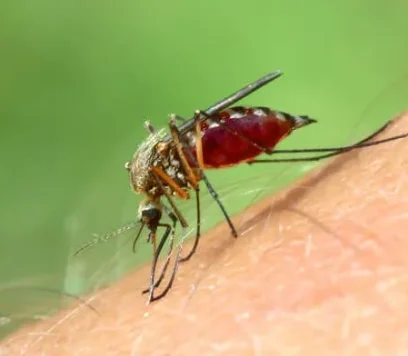
Another major factor is the abundance of pests they feed on. Centipedes prey on spiders, silverfish, flies, and other small insects. If you are seeing centipedes, it can be a clue that your home also has other pests that provide their food source. In that sense, centipedes can serve as indicators of broader indoor insect activity.

Clutter also adds to the problem by giving centipedes more hiding places. Storage piles, cardboard boxes, stacked items in the basement, and cluttered utility rooms create shelter and reduce air circulation. That is especially significant in older Windsor, ON homes where basement conditions may already be imperfect and ventilation is poor.
How to remove centipedes yourself
Do-it-yourself control can work well when the problem is small and tied to a fixable moisture issue. Start with moisture control because centipedes are much less likely to stay where the air is dry. A dehumidifier in the basement or crawl space can make a noticeable difference, especially during humid stretches of the year. Pair that with better ventilation so damp air does not linger.
Vacuuming is one of the quickest ways to remove visible centipedes indoors. It is practical, clean, and avoids crushing insects on floors and walls. For monitoring, sticky traps can help you locate where centipedes are traveling and whether activity is focused in one area of the house. These traps also give you a simple way to monitor improvement over time.
You should also seal entry points wherever possible. Check door thresholds, utility openings, gaps around pipes, and visible cracks in walls or the foundation. Good entry sealing is often part of effective foundation sealing and can minimize future access. If you can identify foundation cracks or deteriorated caulking, address them promptly.
To support the rest of your efforts, reduce indoor moisture through basic home care: fix leaking taps or pipes, dry out damp laundry spaces, empty standing water, and keep the basement as dry as possible. This kind of sanitation and upkeep supports broader integrated pest management and lowers the chances of recurrence.
When professional pest control in Windsor is needed
If centipedes return again, it may be time to call pest control Windsor specialists for a full solution. A professional inspection can reveal where the insects are entering, what conditions are supporting them, and whether you have a broader insect control issue behind the https://richmond-hill-onmg829.timeforchangecounselling.com/pest-control-in-windsor-on-neighborhoods-transit-and-key-local-tips scenes. This is especially useful when the problem involves repeated sightings in basements, crawl spaces, or bathrooms.
A qualified exterminator can create a treatment plan based on your home’s specific conditions instead of just applying a generic spray. That matters because centipedes are often a symptom of structural and environmental factors, not just a standalone pest. If you are dealing with a recurring infestation, DIY fixes may reduce the number you see, but they may not solve the cause.
Professional pest management is also helpful when there are signs of moisture problems, multiple insects indoors, or conditions that make access difficult. A local expert can evaluate whether you need preventative treatment, targeted treatment, or a more complete plan that includes residual protection and monitoring.
Which the local centipede control plan should cover
A solid area treatment approach should start with a property inspection and move into practical corrections that address the source. A key part of the most important components is exterior barrier treatment, which creates a protective zone around the home and helps reduce insect movement near doors, windows, and foundation edges. This method is especially helpful in Windsor neighborhoods where older homes may have gaps between the structure and surrounding grade.
The plan should also include serious moisture control. If a home has damp basements, wet crawl spaces, or poor airflow, the pest pressure is likely to continue. A complete treatment strategy should evaluate foundation cracks, drainage, and basement moisture as part of the larger problem. Often, centipede treatment is most effective when paired with repair recommendations, not just chemical control.
Choose a service that offers follow-up service and ongoing monitoring. That helps confirm that the first treatment worked and that the conditions supporting centipedes are improving. A thoughtful plan should fit into integrated pest management rather than relying only on one application. For Windsor homeowners, that often means balancing targeted treatment with prevention, sanitation, and structural maintenance.
How to keep centipedes from returning
It is simpler to prevent them when you think like a pest: close off openings, reduce humidity, and eliminate hiding spots. Begin with weatherstripping around exterior doors and low windows. This helps seal common entry points and also improves energy efficiency. Make sure basement windows and utility openings are secure, especially in older homes where seals may have weakened over time.
Watch ventilation in the basement, bathroom, and laundry areas. More air circulation reduces indoor humidity and makes the environment less attractive to centipedes. In Windsor, this matters during humid summers and also during spring thaw or fall rain, when moisture can build up quickly indoors.
Landscaping should also aid in prevention. Keep soil and mulch from piling too high against the foundation, and make sure grading directs water away from the house. Cut back dense plant growth near the exterior walls, since overgrown areas can shelter insects and increase the chance of them moving inside. Indoors, store items in sealed storage boxes instead of cardboard piles, especially in basements and crawl spaces where clutter can create hidden harbourage.
These habits reduce recurrence and support long-term monitoring. When combined with routine home maintenance, they make it much harder for seasonal pests to gain a foothold.
Centipedes in Windsor: frequent questions
Windsor homeowners often see centipedes as seasonal nuisances, with more activity during the spring and fall seasons. This is when outdoor conditions change and insects move indoors looking for protection, humidity, and prey. Homes with unfinished lower levels, older foundations, or poor basement drainage tend to see the most activity.
Because many local properties have basements or crawl spaces, centipedes often become part of a broader pattern of lower-level pests. If you are seeing them regularly, it is worth checking home maintenance items like caulking, grading, drainage, ventilation, and leaks. A professional exterminator can also help confirm whether the issue is isolated or connected to a larger pest pattern.
In many cases, centipedes are less about the insect itself and more about the conditions that let it thrive. For that reason the best results usually come from a combination of home maintenance, moisture management, and pest control Windsor services when needed.
Is one centipede a problem?
A one centipede does not always mean you have a major infestation, but it should not be ignored either. One sighting can happen because of seasonal movement, especially if the home has moisture issues or nearby entry access. If you only see one and do not notice pest signs such as repeated sightings, it may simply mean a centipede wandered in from a damp area.
Still, it is smart to check for dampness problems in the basement, around pipes, and near foundation walls. Early prevention is much easier than dealing with a recurring infestation later.
Do centipedes suggest other pests?
Often, yes. Centipedes feed on small insects, so their presence can point to a hidden food source in the home. That does not automatically mean you have a major infestation, but it does suggest there may be insect activity worth investigating. Centipedes can be signs of infestation when they show up repeatedly in the same areas.
If you are noticing silverfish, flies, spiders, or other small bugs, the centipedes may merely be following them. A property inspection can aid identify the full picture and inform better treatment decisions.
What is the fastest way to remove centipedes?
The fastest immediate option is vacuum removal. It is quick, tidy, and works well for easy-to-spot centipedes on floors, walls, and baseboards. You can also use sticky traps to catch wandering insects and help you monitor where the activity is highest. If you need quicker, more complete results, direct treatment from a professional may be the best choice, especially if you have multiple sightings or hard-to-reach hiding spots.
For lasting control, speed matters less than solving the underlying moisture and access issues. That is where preventative treatment and structural fixes pay off.
How can I get rid of centipedes in Windsor quickly?
If you need quick results, start with vacuuming visible centipedes, place sticky traps near baseboards and basement walls, and dry out the area with a dehumidifier. Then check for leaks, excess humidity, and hidden entry points. For a more efficient long-term solution, contact a pest control Windsor provider that can inspect the home and apply targeted treatment if needed.
Why do I keep seeing centipedes in my basement?
Basements are one of the most common places for centipedes because they often have basement moisture, less airflow, and more shelter. In Windsor, older foundations, crawl spaces, and humid conditions can make the problem worse. If centipedes keep appearing, the basement likely has a moisture issue, other small insects to feed on, or access through cracks and gaps.
Are centipedes a sign of a bigger pest problem?
They can be. Centipedes often show up where there are other pests, because they feed on them. If you are seeing them often, it may point to hidden insect activity, damp conditions, or weak home sealing. A professional inspection can determine whether you have a larger pest problem that needs integrated pest management.
What would be the best pest control Windsor choice for centipedes?
The best approach is usually a local exterminator who provides inspection, moisture-related recommendations, and a treatment plan tailored around your home’s conditions. Look for pest control Windsor services that include exterior barrier treatment, foundation sealing guidance, and follow-up service. That approach is better than a one-time spray alone.
How do I keep centipedes from coming back after treatment?
Focus on prevention after treatment: keep humidity low, use a dehumidifier, improve ventilation, fix leaks, seal entry points, and reduce clutter in basements and crawl spaces. Add weatherstripping, keep up with landscaping, and store items in sealed storage boxes. These steps lower recurrence and help maintain the benefits of professional treatment over time.
Mosquito Man Windsor
2485 Front Rd, LaSalle, ON N9J 2C5, Canada
+1 226-526-4711
https://maps.app.goo.gl/JwhSC65zfbLWNH6v7
https://mosquitoman.ca/pest-control/windsor/
42.2161228, -83.1003005